In Children’s House, learning is driven by curiosity. Every day, children explore their carefully prepared Montessori environment, engage in purposeful work and develop the confidence to become independent learners.
In Montessori each child progresses at their own pace, supported by their experienced Montessori Guides who intentionally introduce new concepts when children are ready.
Through uninterrupted work cycles and the prepared environment, children have time and space to develop concentration, perseverance and a genuine love of learning as they build strong foundations across every area of the curriculum.
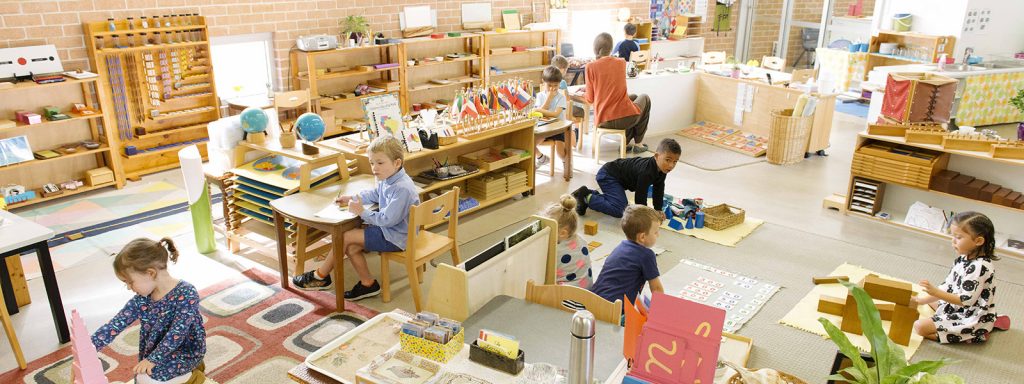
This is a normal day in a MIC Cycle 1 classroom.
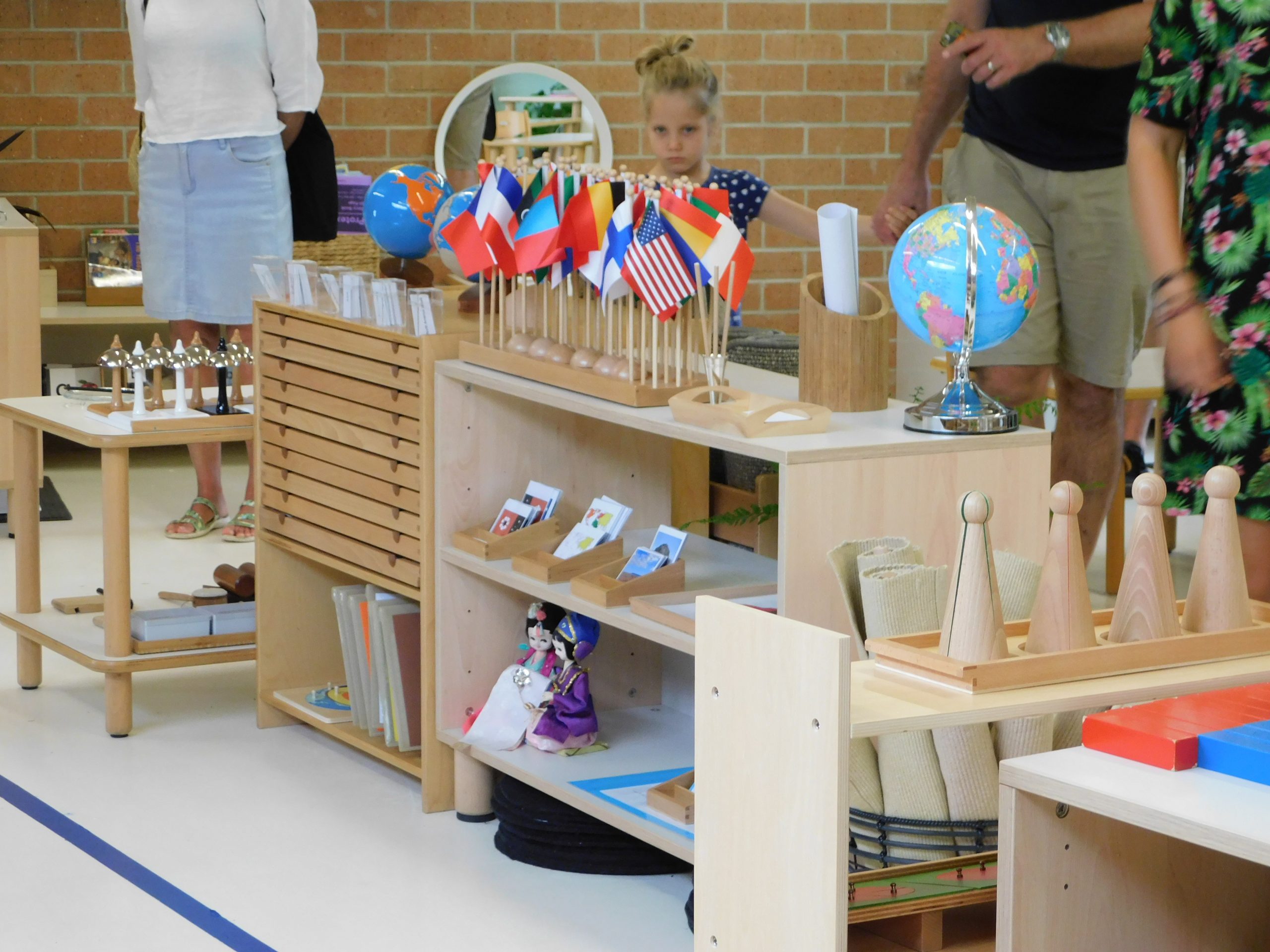
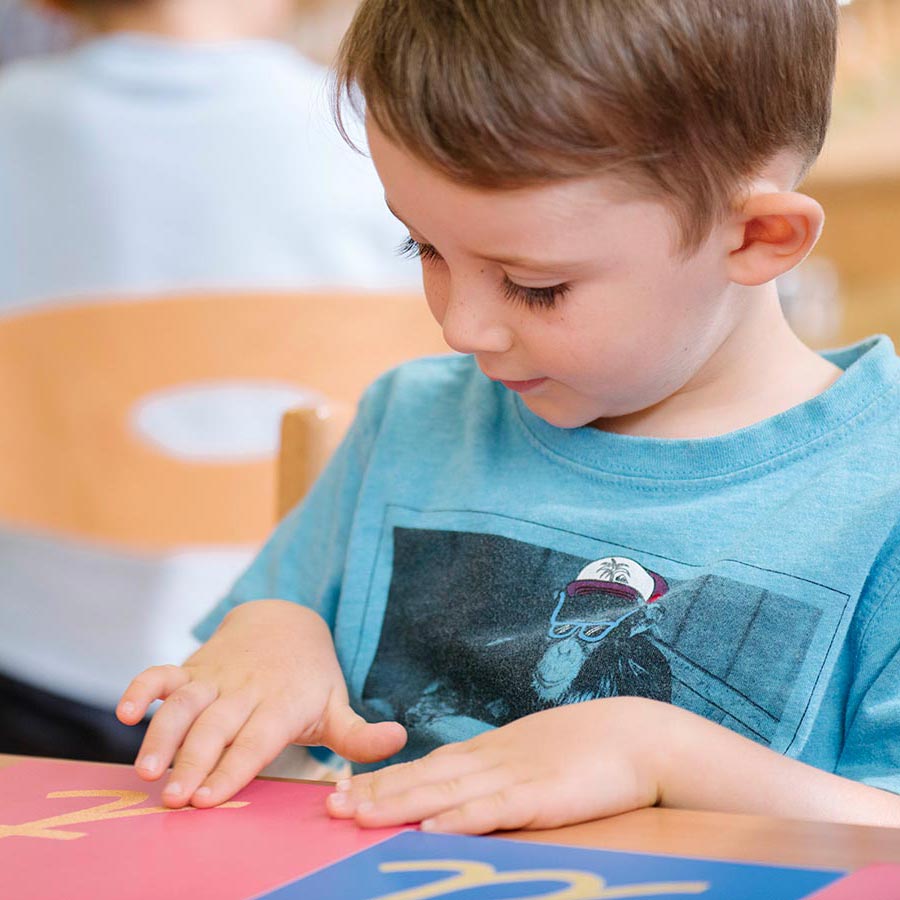
The morning opens with each child pouring themselves a drink of water, performing their brain gym exercises, and then they are off…tracing sandpaper letters with their fingers to learn the alphabet, turning the coloured globe to discover the continents and listening to bells to learn the C-major scales.
In our classrooms children turn real-life experiences into ideas and concepts, so they can make sense of the world they live in. It’s hands-on learning.
They finish the day wanting to know more – and looking forward to tomorrow, because at MIC our children discuss, scrutinize, question, unearth, make friends, play, resolve conflicts, and grow.
The Uninterrupted Work Cycle
A hallmark of Montessori education is the uninterrupted work cycle, where children have extended periods of time to choose meaningful work, concentrate deeply and learn without unnecessary interruption.
Rather than moving from one subject to the next every 30–40 minutes, children are given the time to explore, practise and master new concepts at their own pace. This uninterrupted flow develops concentration, independence, problem-solving skills and intrinsic motivation, allowing children to experience the satisfaction that comes from meaningful, self-directed learning.
Learning Areas
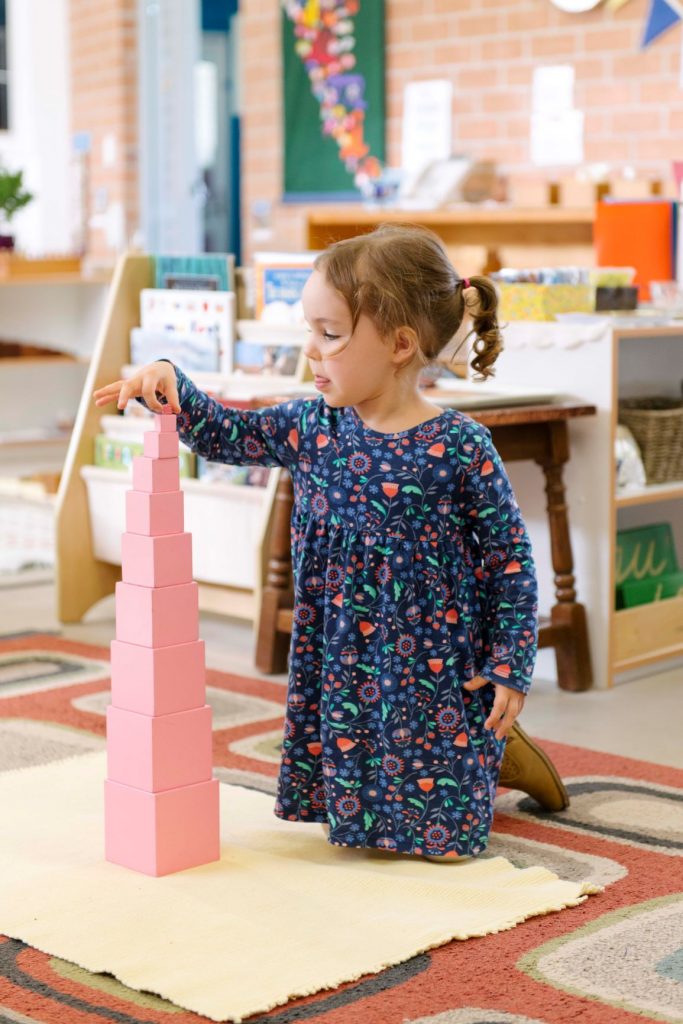
The Children’s House provides a rich, interconnected curriculum that supports every aspect of a young child’s development – social, emotional, intellectual, language and physical. Through carefully prepared Montessori materials and purposeful experiences, children build strong foundations across five key areas of learning.
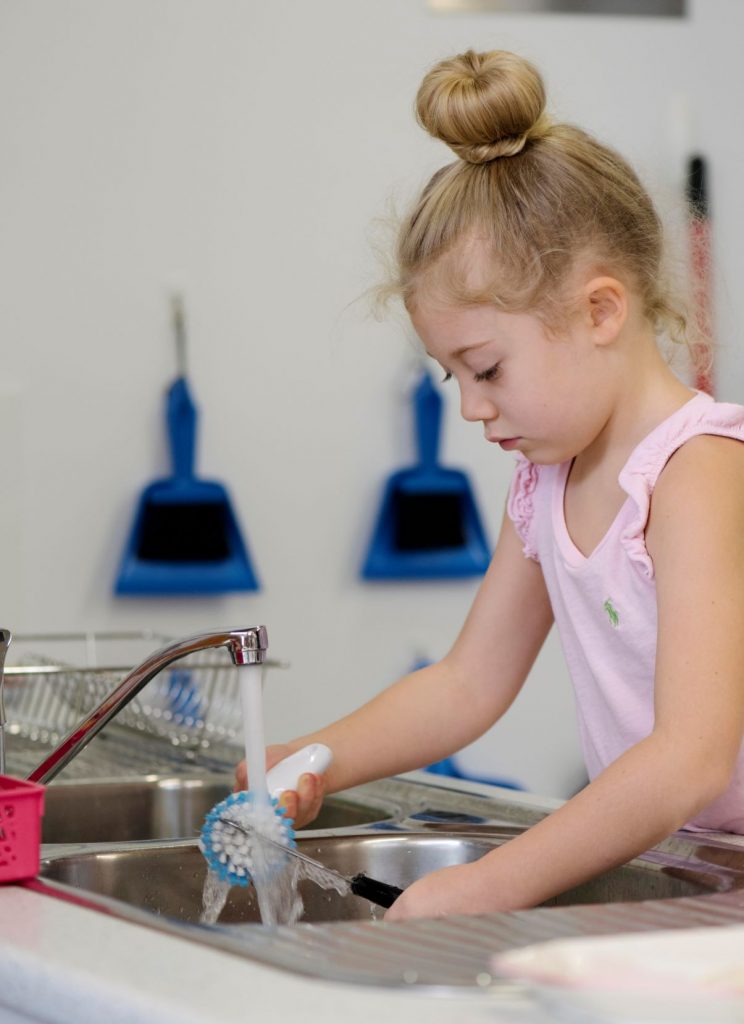
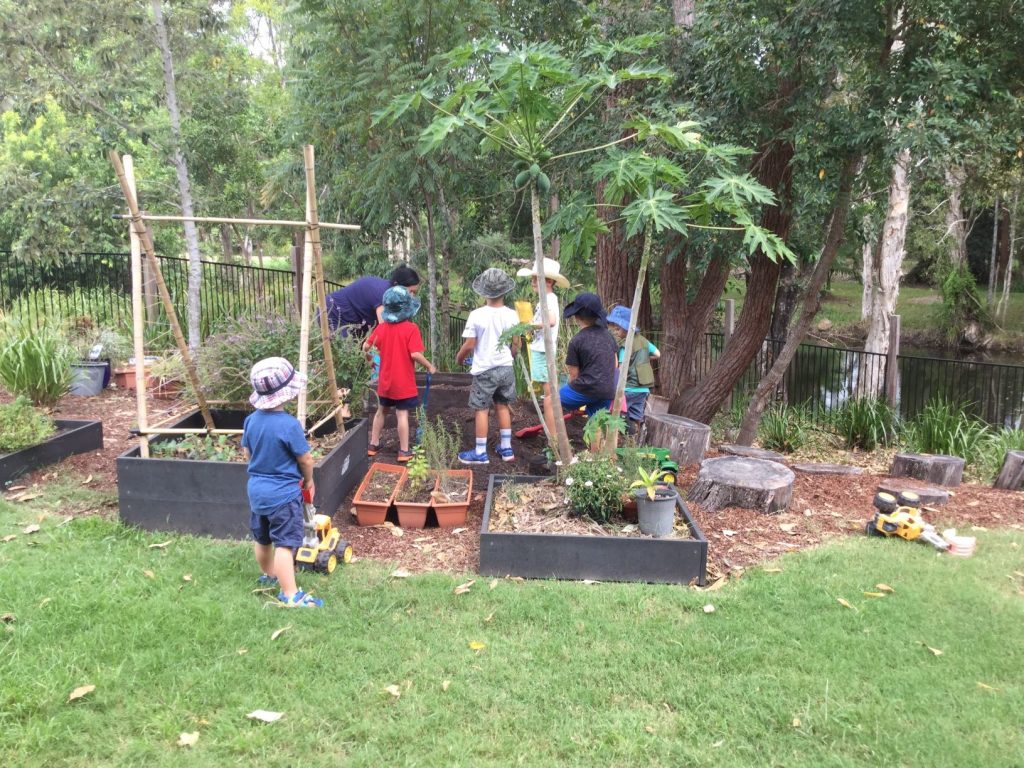
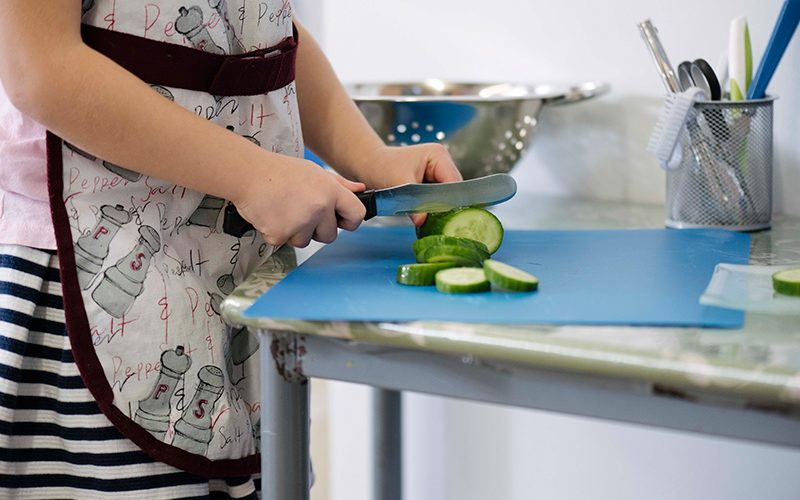
Practical Life activities help children develop independence, coordination and confidence through meaningful everyday tasks. From preparing food and caring for plants to Grace and Courtesy, these experiences foster responsibility, concentration and respect for themselves, others and their environment.
Children learn through their senses. Montessori Sensorial materials refine observation and help children classify, compare and understand the world around them. These experiences lay important foundations for future learning in mathematics, language and science.
Language is woven throughout the Children’s House. Through conversation, storytelling, songs and carefully sequenced Montessori materials, children naturally develop speaking, listening, writing and reading skills while building confidence in expressing their ideas.
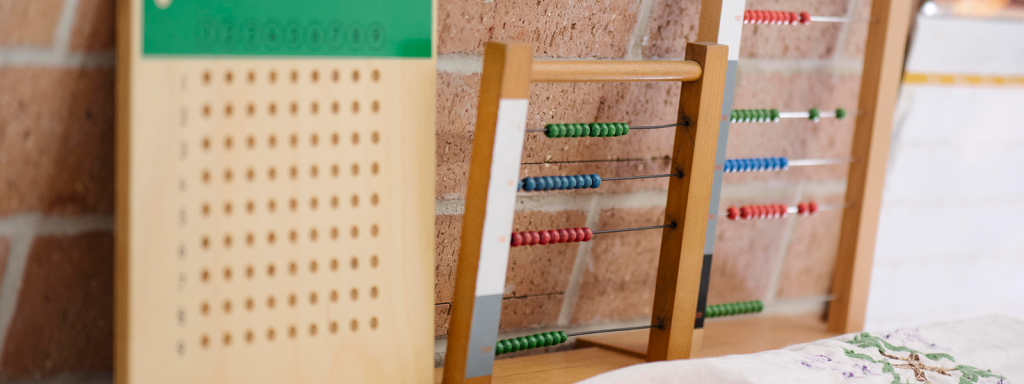
Mathematics begins with hands-on exploration. Purposeful Montessori materials help children understand quantity, patterns and number relationships through concrete experiences before progressing to abstract thinking, creating a deep and lasting understanding of mathematical concepts.
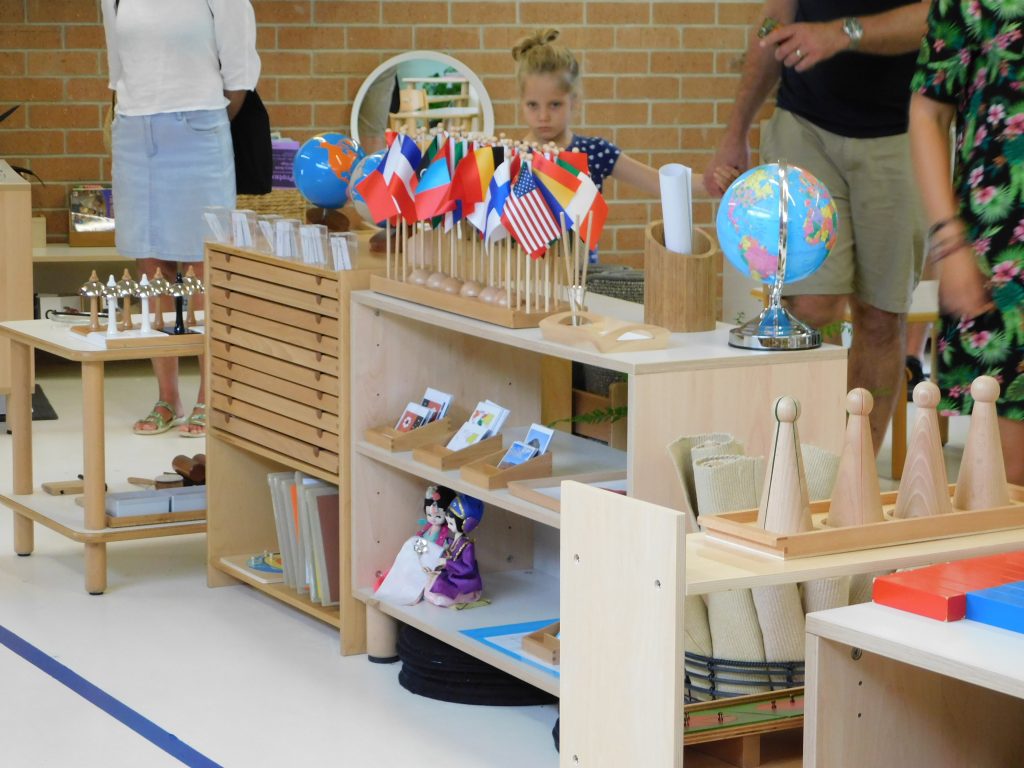
Children’s House provides a rich experience of the natural world. Children learn about botany, zoology, geography and people of the world through carefully curated Montessori materials, books, flags, instruments and clothing. Children are invited to participate in cultural activities and celebrations throughout the year.
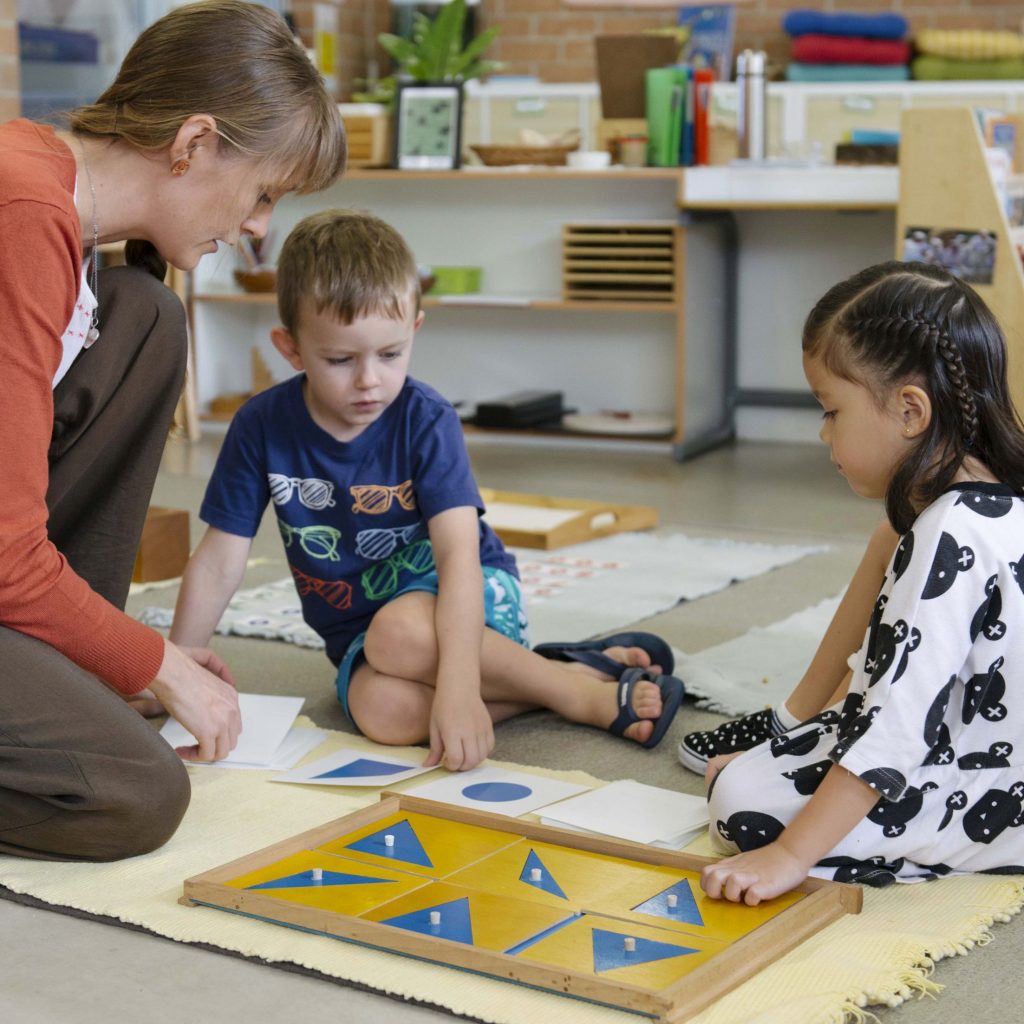
Montessori Materials
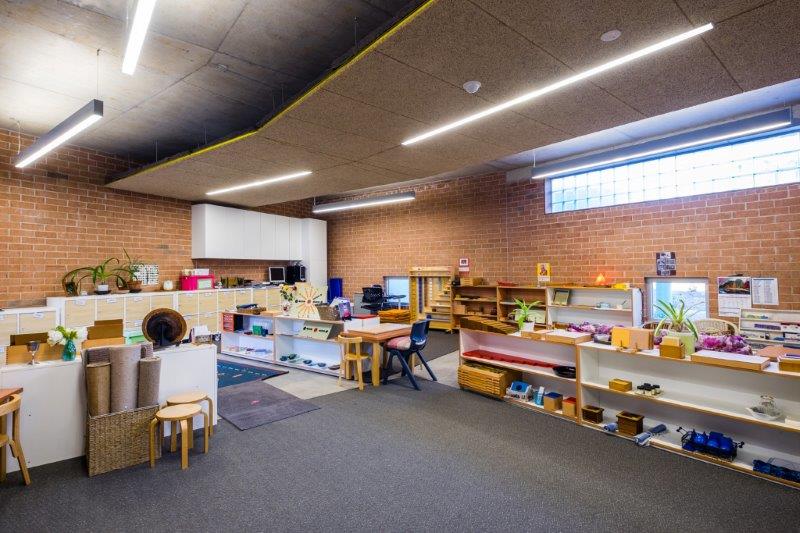
Montessori materials are carefully designed to help children discover concepts through hands-on exploration. Each material teaches one skill or concept at a time, allowing children to build understanding progressively from concrete experiences to abstract thinking.
Materials are didactic and many are self-correcting, encouraging children to recognise and learn from their own mistakes. Through repetition and discovery, they develop confidence, concentration and a deep understanding that lasts.
Freedom Within Limits
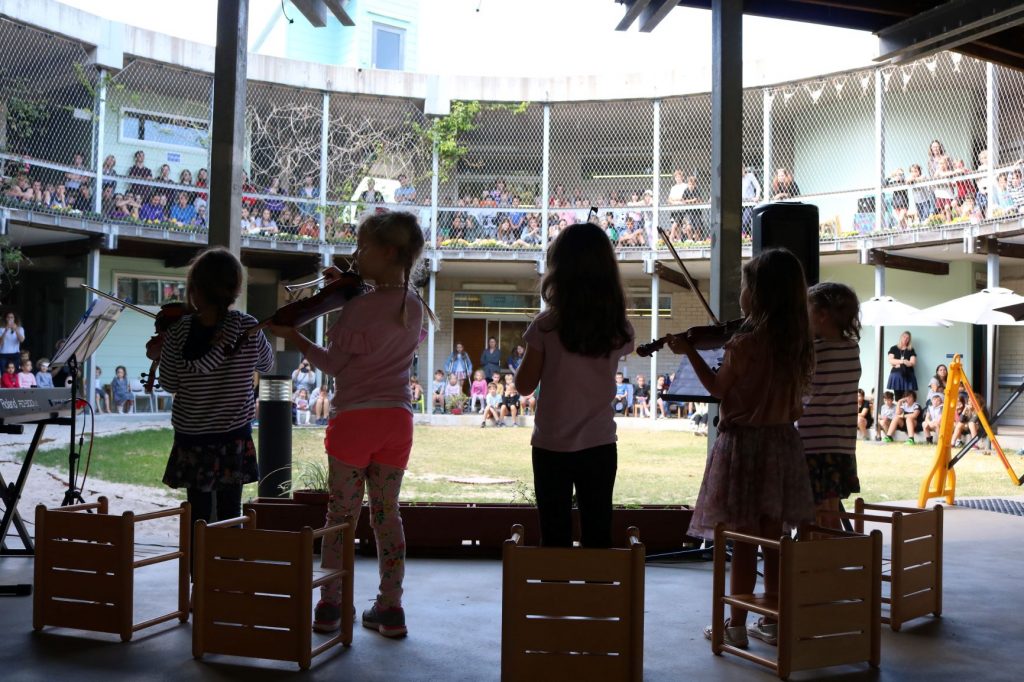
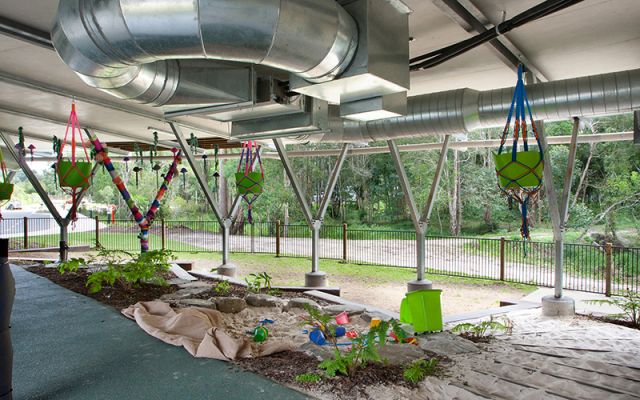
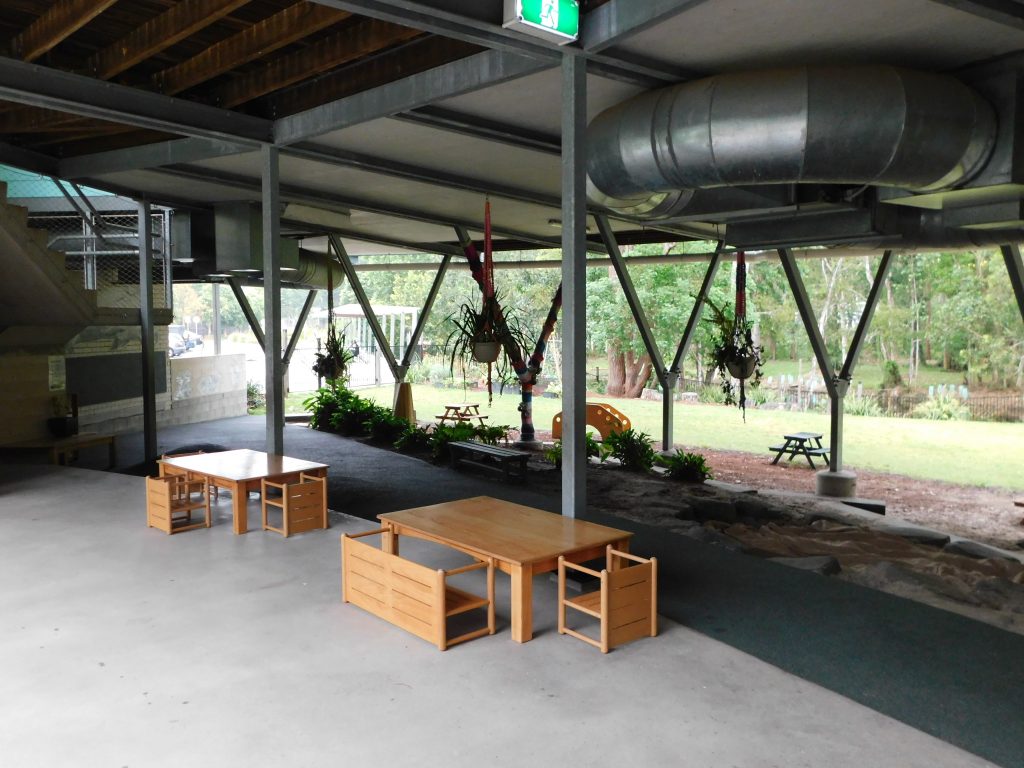
The Children’ s House classrooms offer children the freedom to make their own choices within a carefully prepared environment. Children can choose from a range of purposeful learning experiences from any area of the curriculum. They can choose to work inside or outside, with a friend or by themselves, at a table or on the floor. They can observe older children at work thereby increasing their own knowledge.
This balance of freedom and responsibility helps children develop independence, self-discipline and sound decision-making skills, while ensuring they continue to progress across all areas of the curriculum.
Learning Through Observation
Montessori Guides carefully observe each child to understand their interests, readiness and development.
Rather than teaching the whole class in the same way, Guides introduce new learning experiences at the right moment, gently extending children’s thinking while allowing them the time and space to explore independently.
This personalised approach ensures every child is supported, challenged and encouraged to flourish.
Children showing an aptitude or interest in a particular area are supported by their Guide to explore their chosen subject deeply and with growing understanding.
Transition to Primary
The transition from Children’s House to Primary is a natural progression, built on years of purposeful learning and growing independence. By the end of Cycle 1 (Children’s House), children have developed strong foundations in literacy and numeracy, alongside the confidence, concentration and organisational skills needed for future learning.
Just as importantly, they have developed executive functioning skills such as planning, problem-solving, self-regulation and perseverance. They know how to work independently, collaborate with others and approach new challenges with curiosity and resilience.
Children leave Children’s House as confident, capable learners, ready to embrace the opportunities of Cycle 2 and continue their journey as independent, lifelong learners.
Transition visits are carefully planned and prior to children moving to Junior Primary and they are given plenty of time to gently transition into their next Montessori environment.
The Children’s House Graduate
Children leave Children’s House with the confidence to think independently, the curiosity to explore the world around them, and the resilience to embrace new challenges.
Alongside strong foundations in literacy and numeracy, they develop the social, emotional and practical skills that prepare them not only for Primary, but for a lifetime of learning.
 How to apply
 Make an enquiry