
Adolescence is a remarkable period of growth. Young people begin to question more deeply, seek greater independence and discover who they are and how they want to contribute to the world.
At MIC, our Adolescent Community is designed specifically for this stage of development. Through authentic Montessori experiences, meaningful work and real-world learning, students develop the confidence, character and capability to navigate an increasingly complex world with purpose.
Rather than simply preparing students for exams, we prepare them for life.
The Third Plane of Development
A Time of Growth, Identity and Purpose
Dr Maria Montessori described adolescence as the Third Plane of Development. A time when young people are developing their identity, seeking independence and looking for meaningful ways to contribute to society.
At this stage, learning must be relevant, collaborative and connected to the real world. Adolescents thrive when they are trusted with responsibility, challenged through authentic experiences and supported by a community that values both academic growth and personal development.
Our Adolescent Community has been intentionally designed to meet these developmental needs.
Learning Through Real Experience
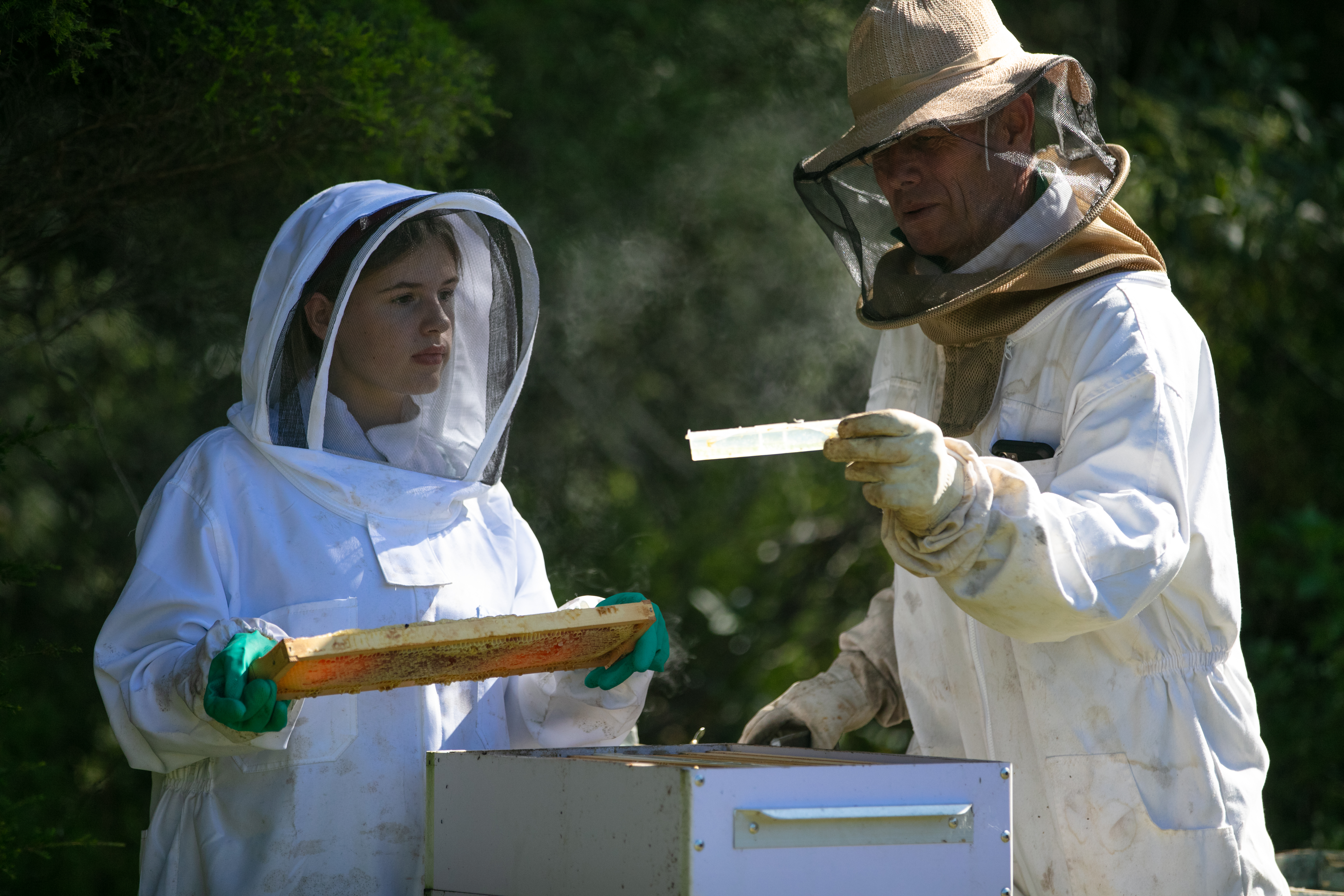
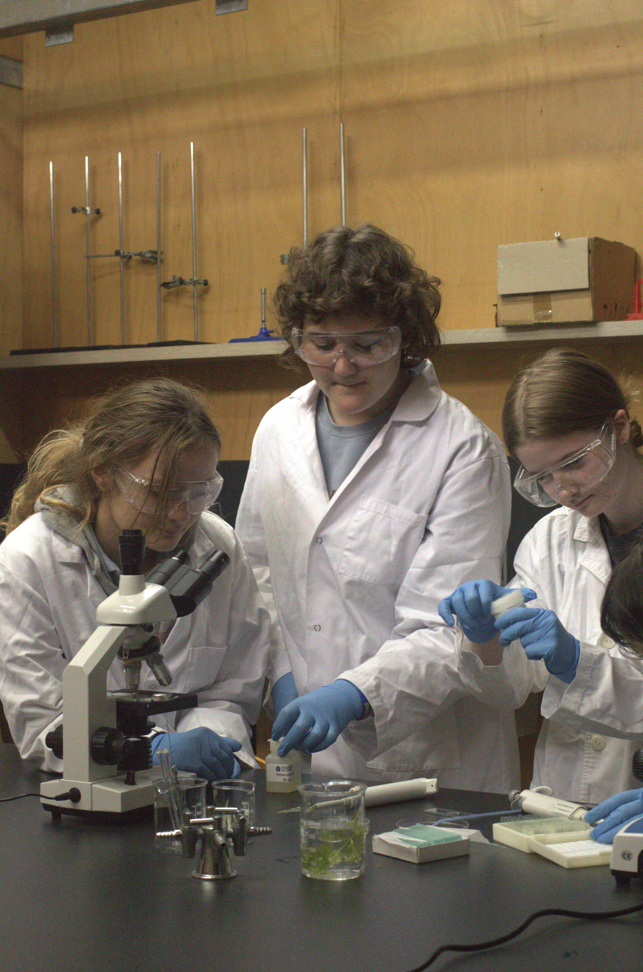
One of the defining features of the Montessori Adolescent Program is learning through meaningful work. Students apply their knowledge beyond the classroom by solving real problems, collaborating with others and contributing to their community.
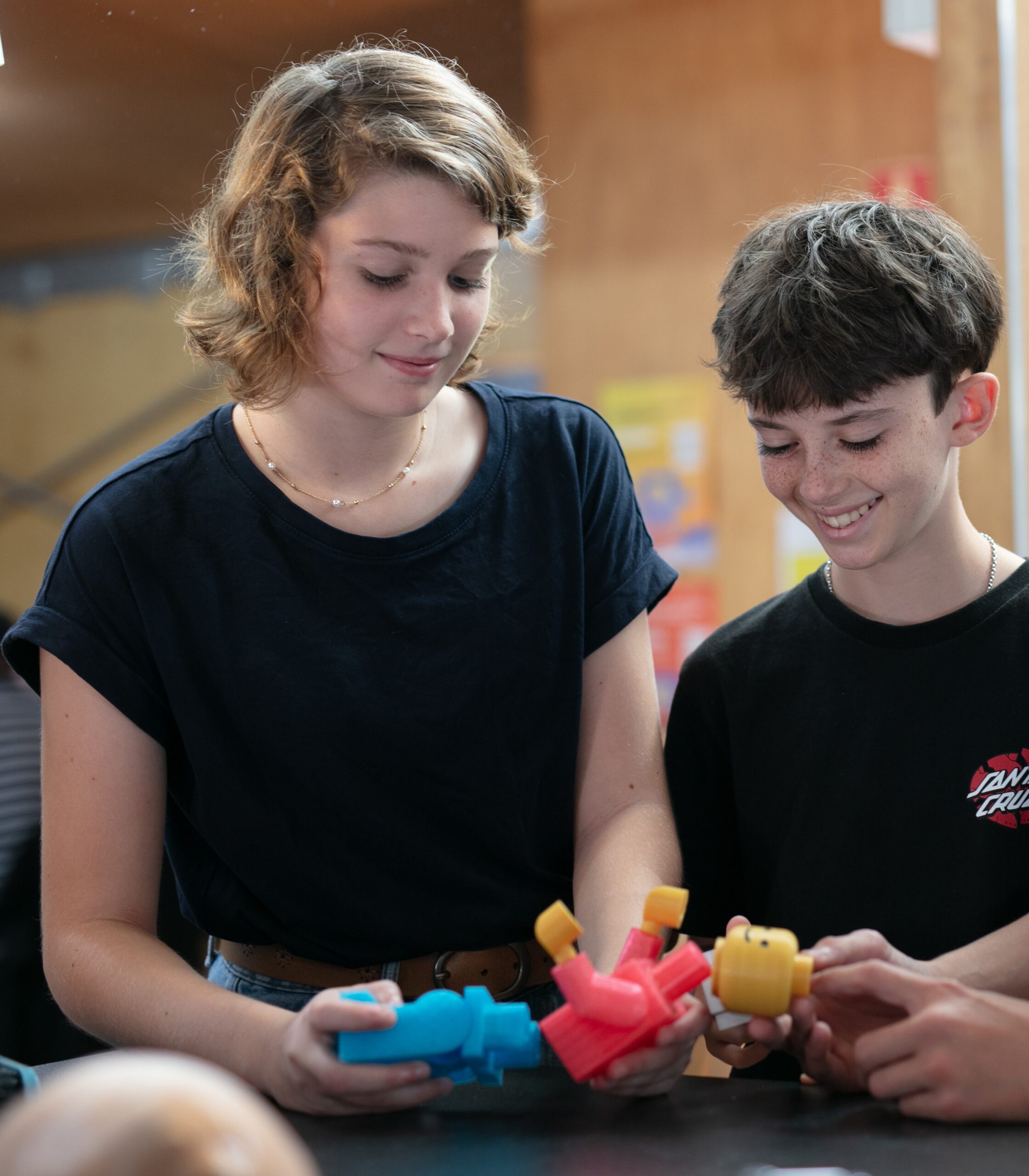
Learning becomes increasingly connected to authentic experiences through:
Environmental projects | Community partnerships | Micro-economies | Expeditions | Design challenges | Integrated studies
An Integrated Curriculum
Learning in the Adolescent Community is interconnected rather than divided into isolated subjects. Projects draw together knowledge from science, humanities, mathematics, language, technology and the arts, helping students understand how ideas connect across disciplines and how learning applies to real-world situations.
This integrated approach encourages critical thinking, creativity and problem-solving while meeting curriculum requirements.
Learning Through Occupation
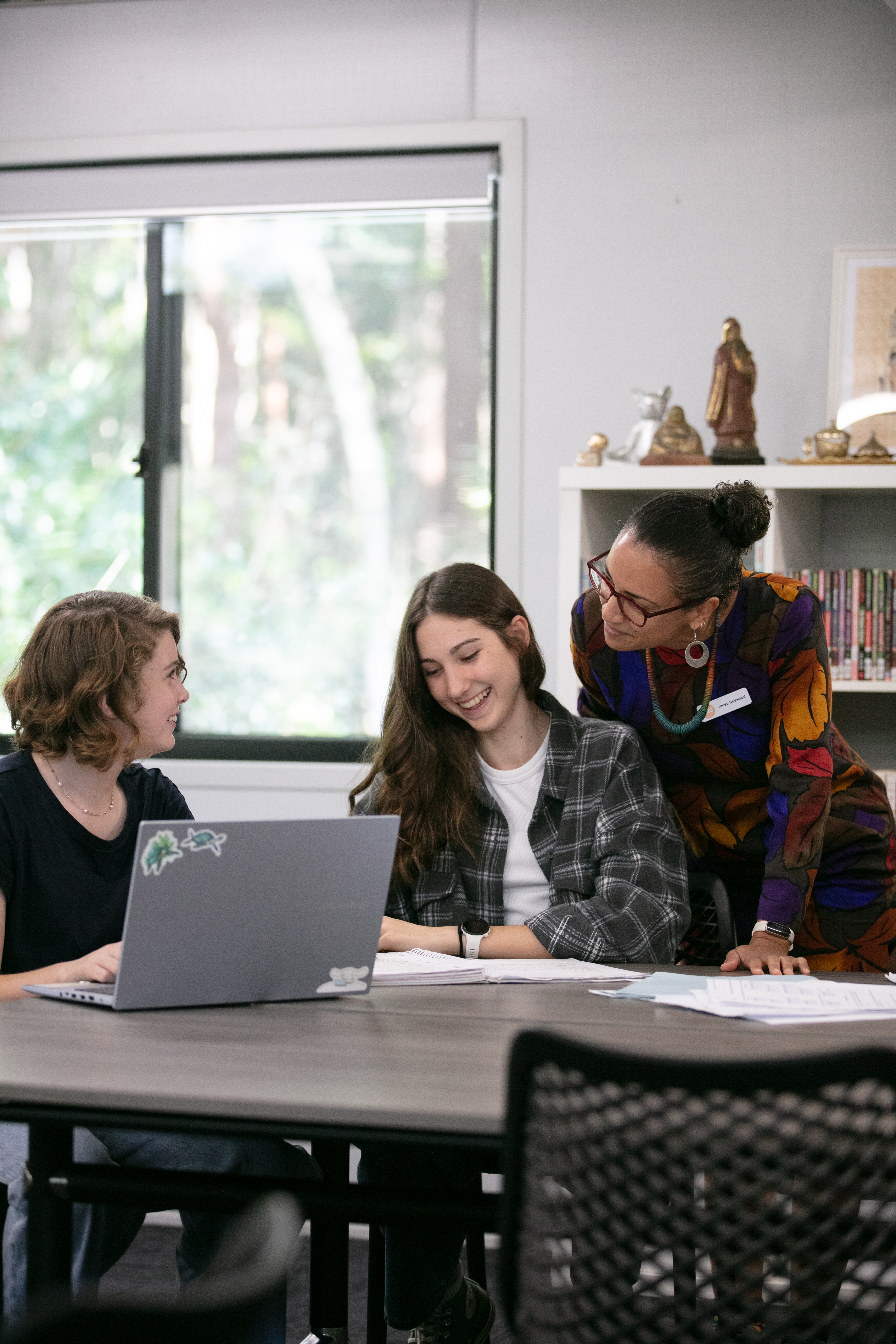
Dr Maria Montessori believed adolescents learn best through purposeful work.
Students engage in meaningful occupations that require planning, collaboration, initiative and responsibility. Whether managing projects, contributing to micro-economies or solving authentic challenges, they develop practical skills alongside academic knowledge.
Purposeful work helps adolescents discover their strengths while building confidence, resilience and a strong sense of contribution.
Micro-Economies
One of the unique features of the Montessori Adolescent Community is participation in micro-economies. Students establish and manage enterprises, learning about entrepreneurship, financial literacy, collaboration and ethical decision-making through authentic experiences.
These projects develop initiative, creativity, responsibility and an understanding of how individuals in a community work together to achieve goals.
Learning Through the Couplets
Students develop independence, practical skills and a strong connection to community through integrated learning and purposeful work.
Students investigate increasingly complex issues through interdisciplinary projects, real-world inquiry and community engagement.
Senior students pursue individual pathways while continuing to experience authentic Montessori principles alongside Queensland senior certification requirements.
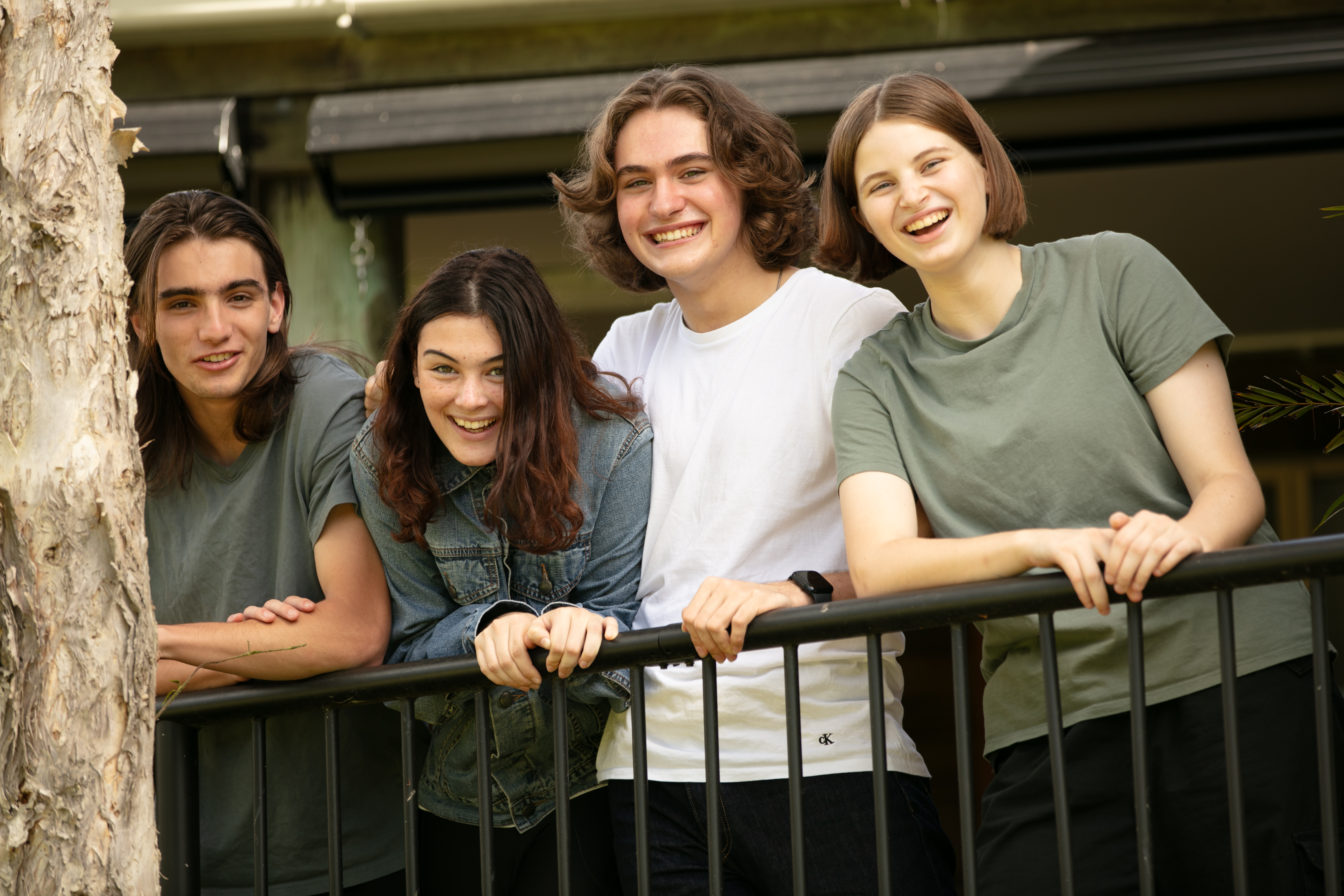
A Place for Adolescents to Belong
Maria Montessori envisioned adolescents learning through meaningful work, community life and connection with the land. This vision continues to inspire the design of MIC’s Adolescent Community, where students develop independence, responsibility and purpose through authentic experiences.
Our Enrolments Team is here to answer your questions, help you choose the right entry point and guide you through every step of the process.

 How to apply
 Make an enquiry