11 June 2026
The stories shared in this edition celebrate not only what our students have achieved this term, but also the growth and development that occurs when young people are supported to become capable, compassionate and engaged learners.
As we look ahead, we would also like to share that this will be our final school newsletter. Moving forward, we will share learning stories, celebrations, community updates and important information throughout the term via School Stream and our social media channels. This approach will allow us to provide more timely updates and offer families a richer insight into the learning, growth and experiences taking place across our community as they happen.
Contents

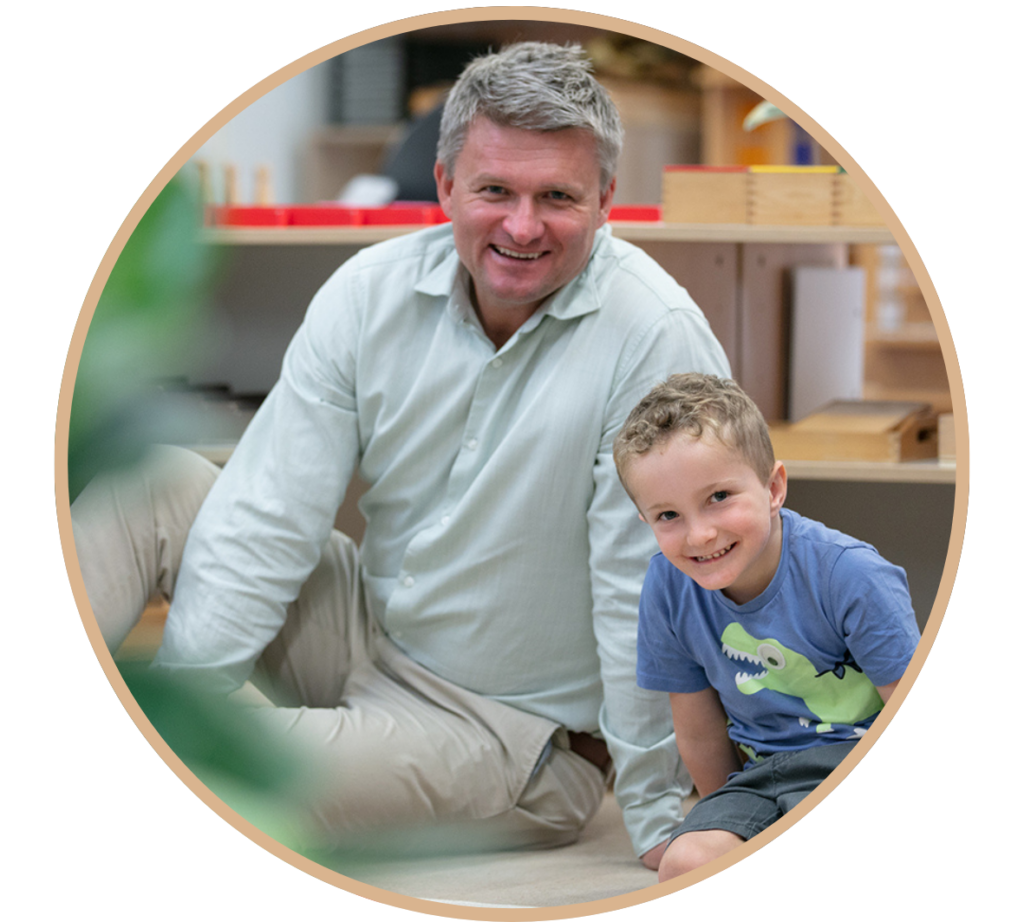
Dear MIC Families,
For our final Newsletter edition, I wanted to share insights into one of the foundational principles of Montessori education: the Four Planes of Development.
Dr Maria Montessori challenged traditional, adult-centred, linear and compartmentalised views of education by recognising that children are not passive recipients of knowledge, but active participants in their own development. Rather than adults causing growth (known as causality), Montessori believed that individuals naturally grow and self-construct towards maturity when provided with the right environment and support (known as finality).
At the heart of Montessori education is the understanding that the ultimate goal of education is to support the full development of the human being. This requires a deep appreciation of the factors that influence human growth and development, allowing educators and families to respond to each stage of a child’s journey with intention and care.
One of the key principles that guides our practice is the Four Planes of Development. This framework identifies four distinct six-year stages from birth to adulthood, each with its own unique developmental characteristics and needs. Understanding these stages helps us create learning environments that align with children’s development and support them at the right time and in the right way.
In Montessori’s view, education should support development and aid life, enabling individuals to become more adaptive, creative, collaborative and capable contributors to society. At MIC, our educators are committed to understanding these developmental stages and responding thoughtfully to them. Equally important is the partnership between school and home. When families understand and support Montessori principles, children benefit from a consistent approach that strengthens their growth, independence and overall learning outcomes.
“We must consider the human personality and not a method of education. For the word ‘method’ we should substitute something like this: ‘Help given in order that the human personality may achieve its independence’, or ‘means offered to deliver the human personality from the oppression of age-old prejudices regarding education.’ The defence of the child, the scientific recognition of his nature, the social proclamation of his rights, must replace the piecemeal ways of conceiving education.” – Maria Montessori, The Formation of Man
Central to Montessori’s philosophy is the development of independence. As children progress through each plane of development, independence takes different forms:
- First Plane (0-6 years): Functional independence, “Help me do it myself.”
- Second Plane (6-12 years): Moral and intellectual independence, “Help me think for myself.”
- Third Plane (12-18 years): Social and economic independence, “Help me make a contribution to society.”
- Fourth Plane (18-24 years): Spiritual and moral independence.
I hope you enjoy this newsletter edition and can see these principles reflected in the learning experiences, achievements and activities shared throughout.
Warm regards,
Chris Peach
Principal

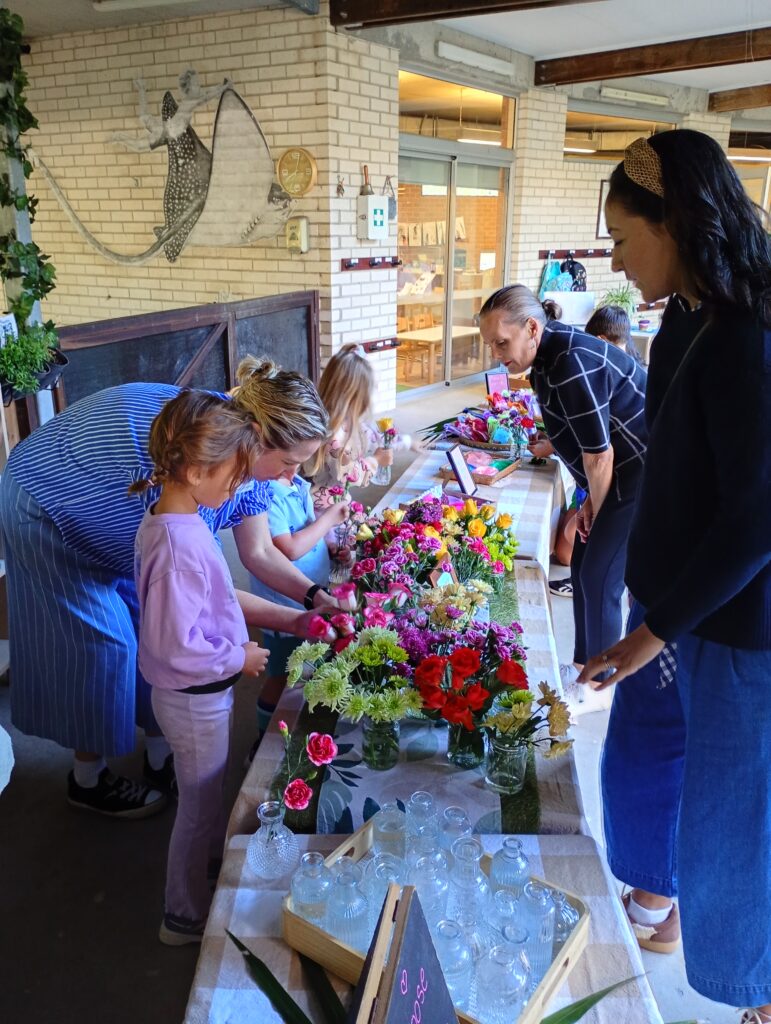
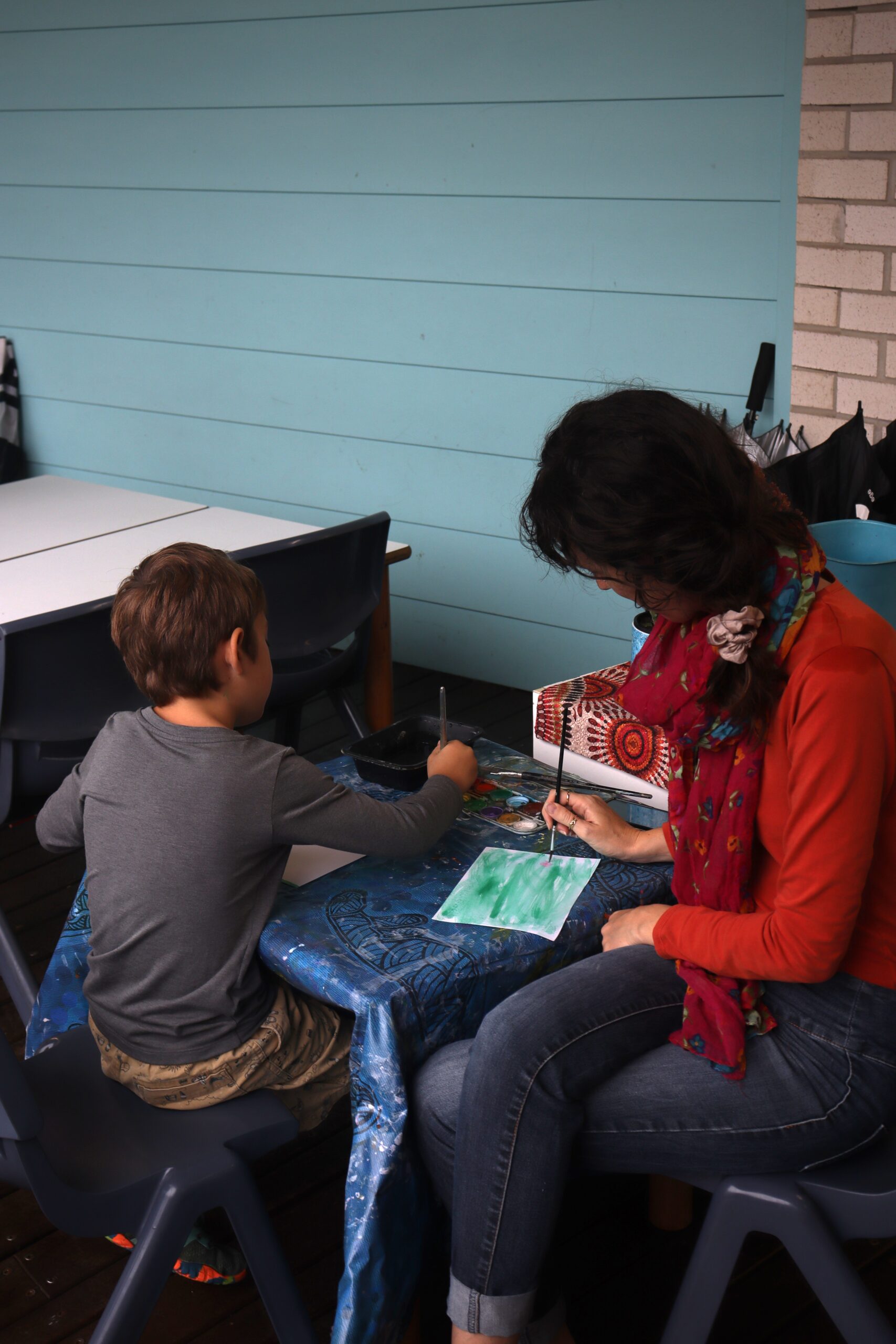
Our Mother’s Day celebration was a wonderful highlight of Term 2, filled with smiles, laughter and meaningful moments shared between children and their mums. Together, they created beautiful flower vases to take home, with each unique creation reflecting the individuality, creativity and growing independence that are hallmarks of the First Plane of Development.
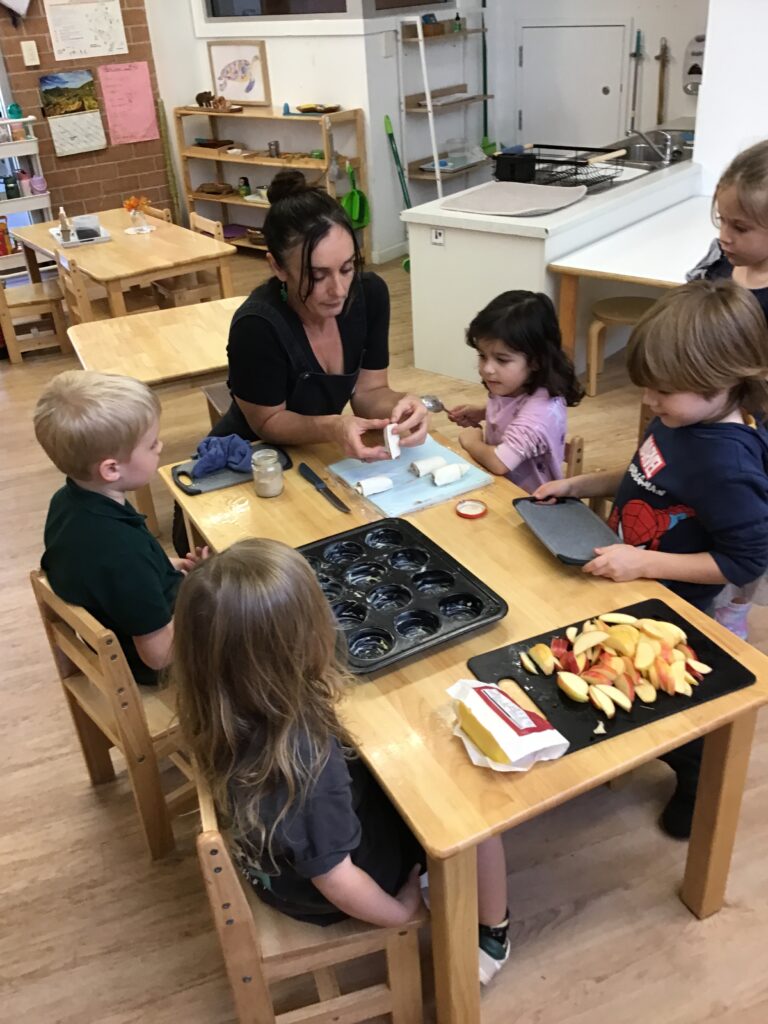
Throughout the term, our children have also loved welcoming mums, dads and family members into their classrooms as “Secret Readers”, baking buddies and crafting companions. These experiences enrich our learning environment and strengthen the connection between home and school. We are incredibly grateful to all the parents who generously give their time to participate in our program.
We are delighted to welcome Chantelle Smith back to the MIC community. Having previously worked at the College, Chantelle is enjoying reconnecting with her Montessori roots and has quickly become a valued member of the Children’s House team. Supporting both our indoor and outdoor environments, as well as Session B, Chantelle has already formed wonderful connections with our children and families.
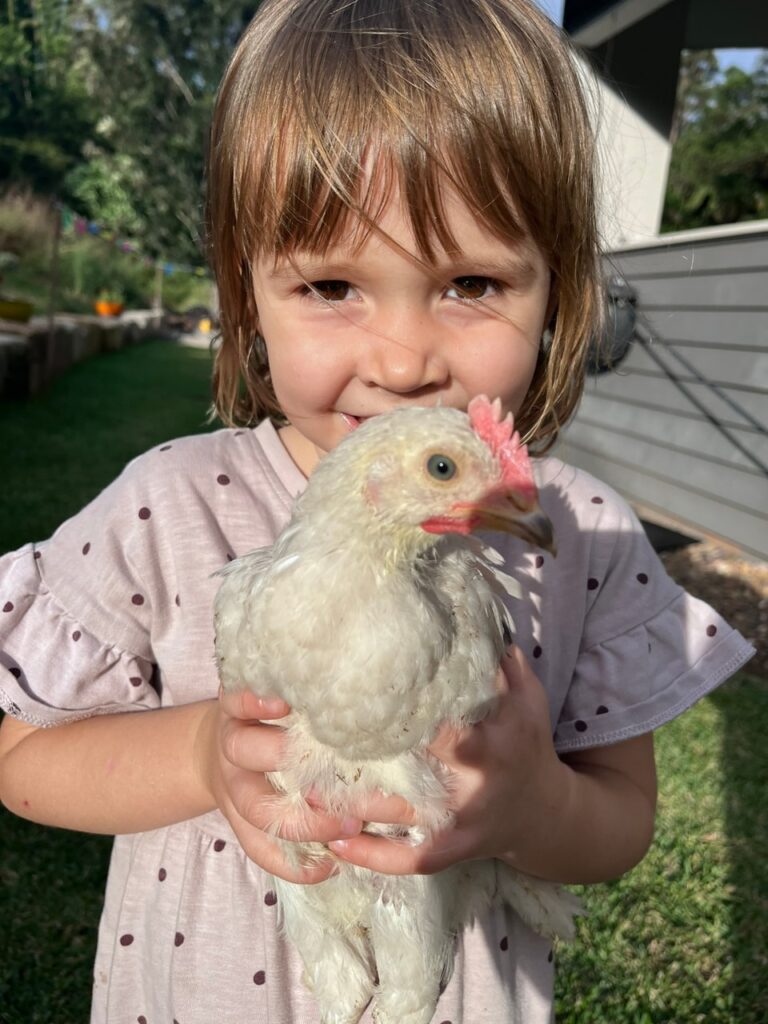
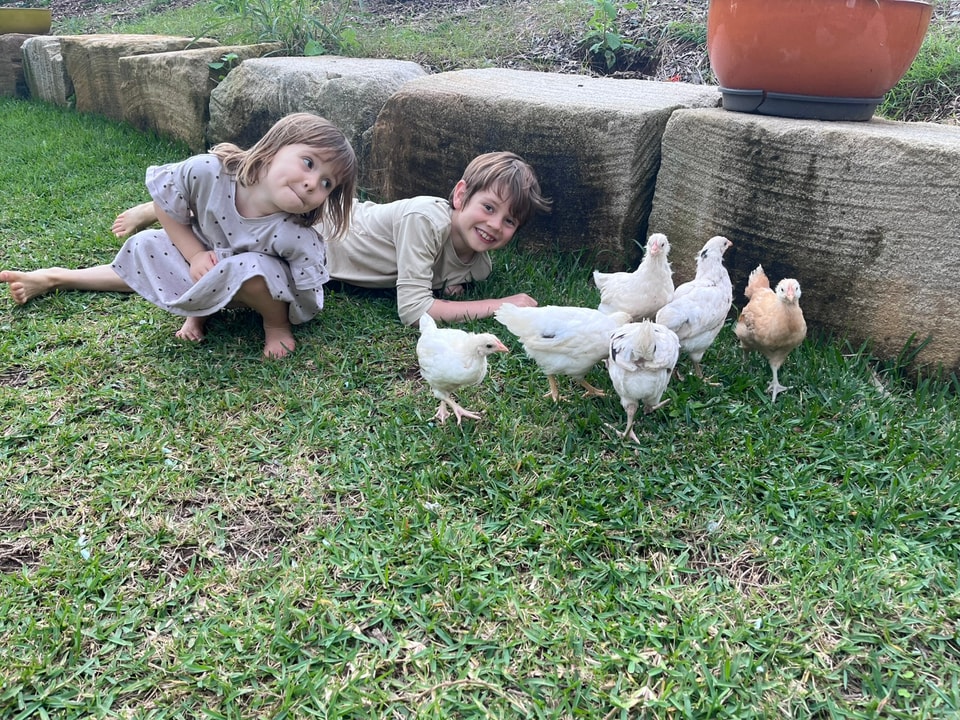
Another highlight of the term was our much-anticipated Henny Penny hatching experience. Watching the chicks hatch and grow sparked curiosity, excitement and plenty of nurturing care from the children. We are pleased to report that all of our adopted chickens have settled happily into their new homes and are thriving.
As we reflect on another busy and rewarding term, we are proud of the growth, curiosity and increasing independence demonstrated by our Children’s House students each day. These experiences provide meaningful opportunities for children to develop the skills, confidence and self-belief that lay the foundation for lifelong learning.

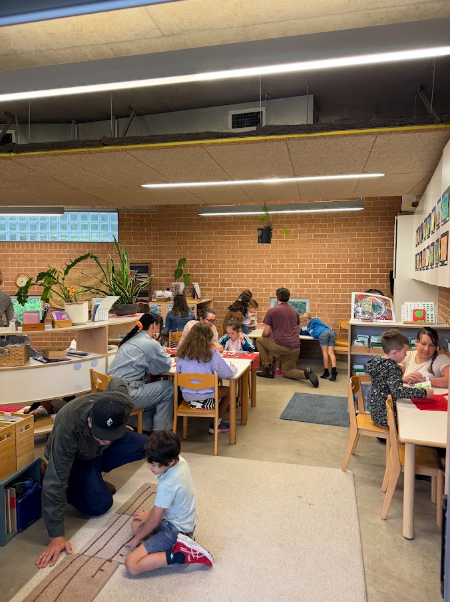
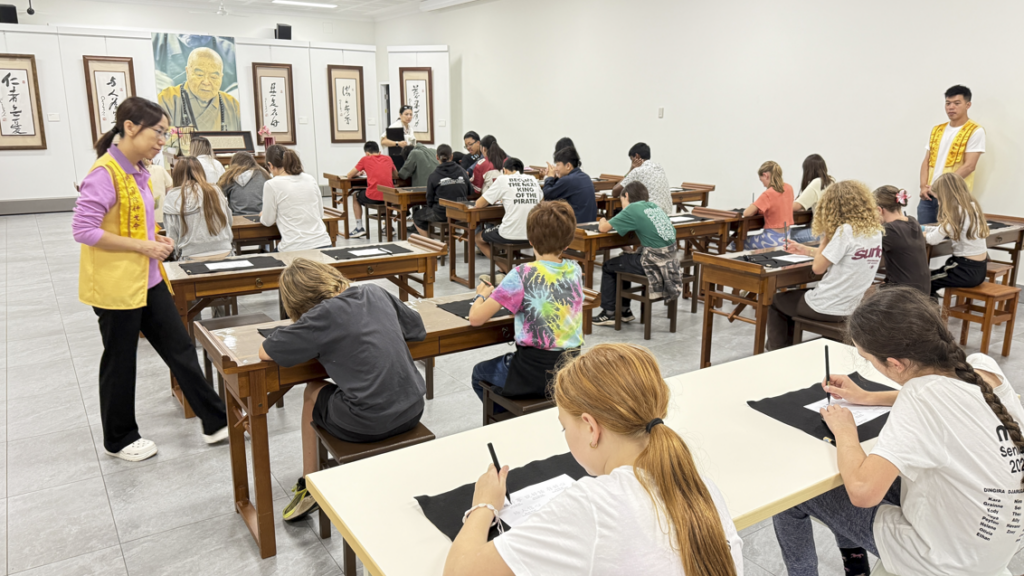
Term 2 has been filled with opportunities for our primary students to challenge themselves, connect with others and celebrate their learning. Highlights included our Junior and Senior Primary Working With Your Child mornings, where families experienced Montessori learning alongside their children, and the District Cross Country, where students proudly represented MIC with determination, resilience and excellent sportsmanship.
Senior Primary Camp: Memories Made at Maranatha
A major highlight of the term was the much-anticipated Senior Primary Camp at Maranatha, Tuchekoi. Across three exciting days, students embraced new challenges, strengthened friendships and further developed the independence and confidence that characterise the Second Plane of Development.
Despite the wet weather, enthusiasm remained high as students worked together and fully immersed themselves in every experience.
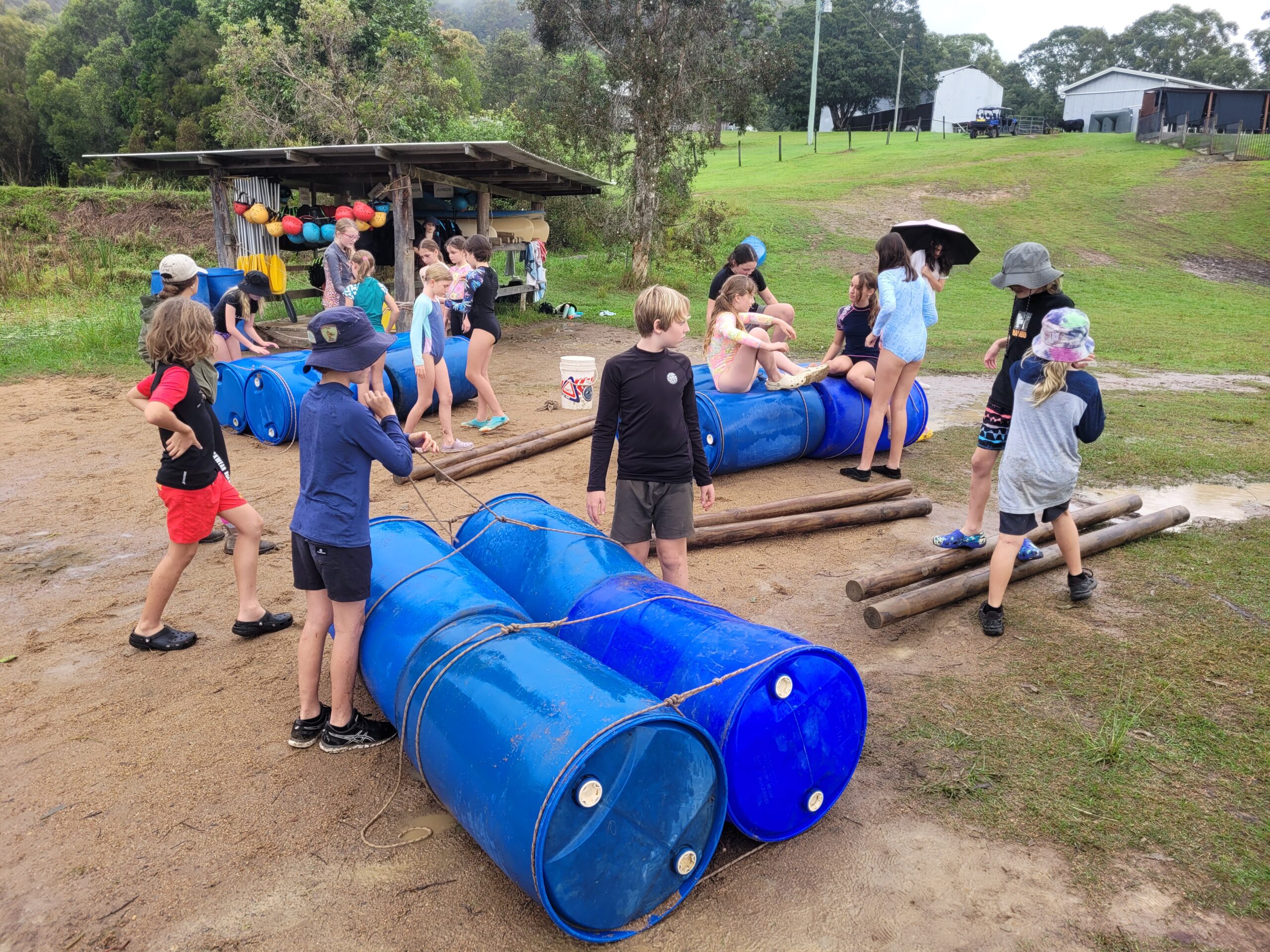
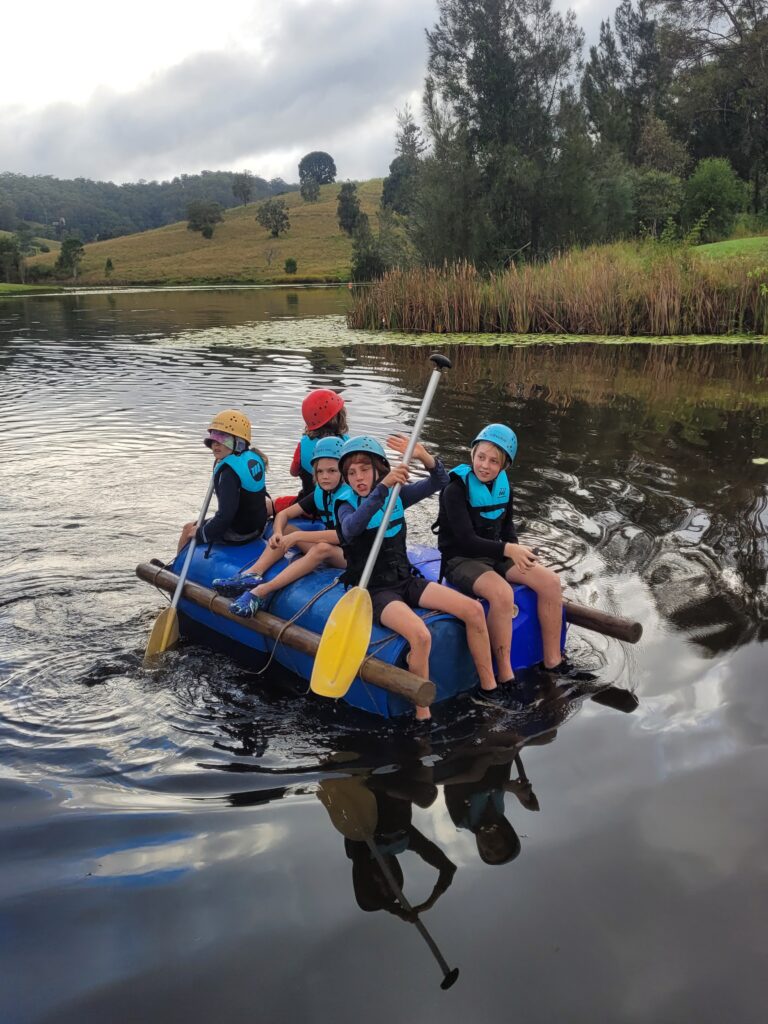
Camp favourites included the Flying Fox, Canoeing and Raft Building, Survival Skills, Radio Rogaining and a variety of Group Initiatives designed to build confidence, teamwork and problem-solving skills. The fun continued into the evenings, with Minute to Win It proving a standout activity filled with laughter, friendly competition and plenty of cheering.
Beyond the activities themselves, camp provided valuable opportunities for personal growth, resilience and connection. It was wonderful to see students stepping outside their comfort zones, building stronger relationships and developing the confidence to navigate new experiences together.
The 2026 Senior Primary Camp was a fantastic success, reflecting Montessori’s vision of education as preparation for life. We now look forward to seeing our Junior Primary students embark on their own camp adventure in Term 3.

Term 2 has been filled with opportunities for our Adolescent students to demonstrate leadership, initiative and engagement within the wider MIC community. Highlights included students proudly leading campus tours during Open Day, sharing their experiences with prospective families and showcasing the unique opportunities available through Montessori education. Students also participated in our Adolescents in Action event, providing families with valuable insight into their learning, projects and personal growth.
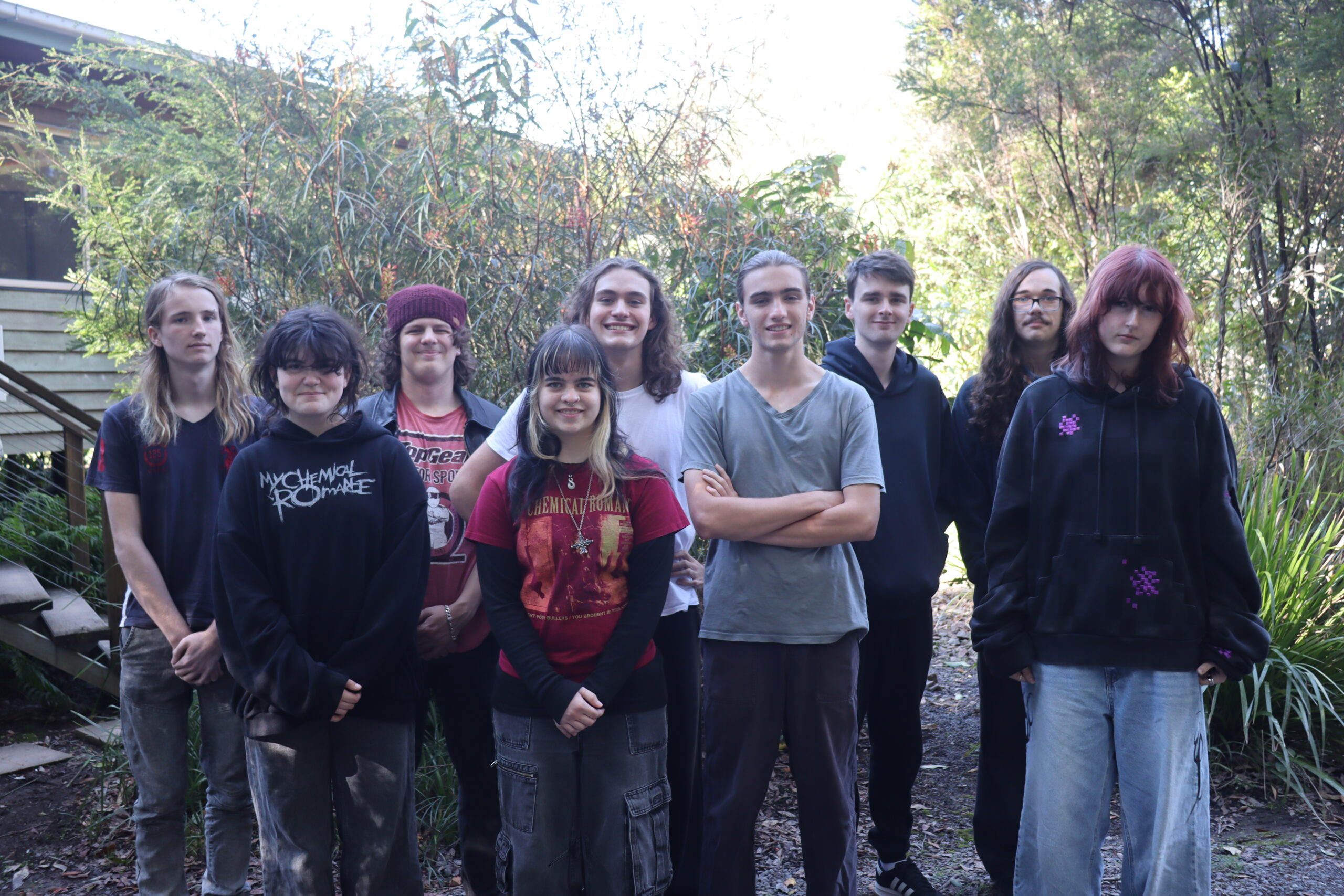
As we conclude Term 2, we are delighted to dedicate this newsletter section to our Year 12 students. Over the coming months, we will celebrate their accomplishments and acknowledge their commitment as they approach the final stages of their journey at MIC. We are incredibly proud of their contribution and leadership within our community, particularly those who have completed their entire educational journey with us.
The adolescent years represent the Third Plane of Development, a period in which young people seek greater social and economic independence while developing their sense of purpose and contribution to society. Central to Montessori’s philosophy during this stage is “following the young person”, understanding their unique strengths, aspirations and potential, while providing the guidance and opportunities they need to thrive.
Every student is supported in tailoring a unique learning pathway. This includes structuring their Queensland Certificate of Education (QCE) with a mix of General subjects, Applied subjects, University courses and Vocational Education and Training (VET) certificates to suit their individual goals. The majority of the students are expecting high ATAR results, aiming for university entry at the end of the year. Equally important, however, is the daily mentoring provided by their guides, educators who know them well and understand the balance between support and independence as young people prepare to become capable, self-directed adults.
While our Year 12 students may have been slightly camera-shy during our recent photo shoot, capturing these images is a small way for us to acknowledge their significant contributions. Watch out for individual student showcases. We want our entire community to join us in supporting and celebrating them as they complete their final year and commence their next chapter beyond school.


Rachael Skyring
Librarian
In a sentence or two, what do you hope children will gain from being part of your learning community this year?
In the Library, I hope children will learn to both stay focused on what information they are seeking, and also think flexibly about where to find it. I hope they will learn to treat books with respect and care. I hope they will learn to appreciate order and calm, an oasis in a busy doing. To stay curious about learning through books and stories, and also to notice how what they read compares with what they are seeing and hearing in the real world around them. In a time where we are all swimming in information of various reliability, to learn to value their own observations.
Is there a Montessori principle or practice you find yourself drawing on most often? Why is it so important?…
READ OUR TWO TEAM FEATURES HERE
Reconciliation Week Wrap Up – a message from Rachael Skyring
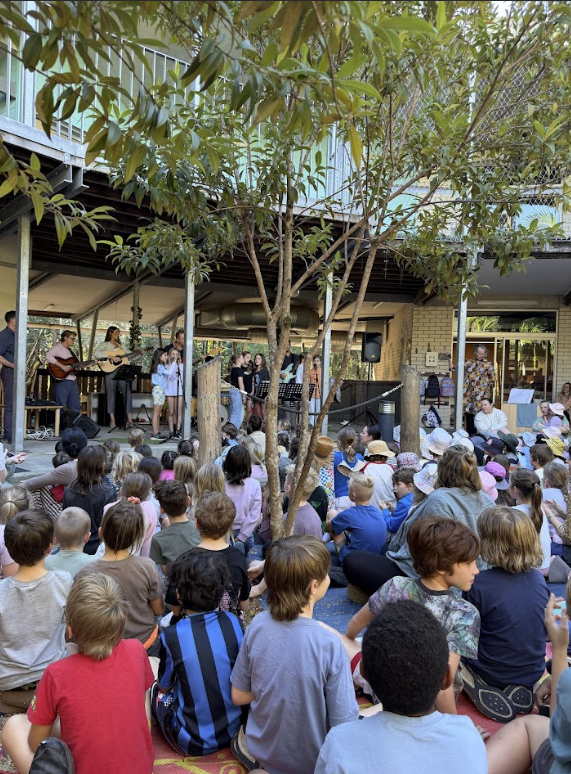
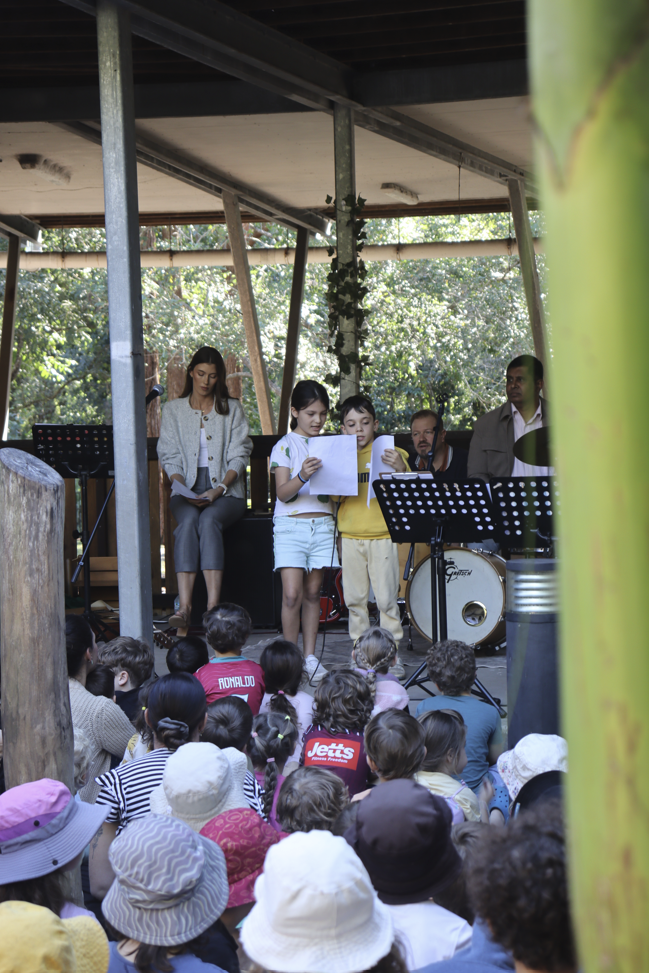
Thank you everybody (gulangoor ngululm) for showing up and joining in the Mabo Day Voices for Reconcilation event with such energy and enthusiasm. Especially to Shannon for pulling together the band and the singers that creates the magic only music can.
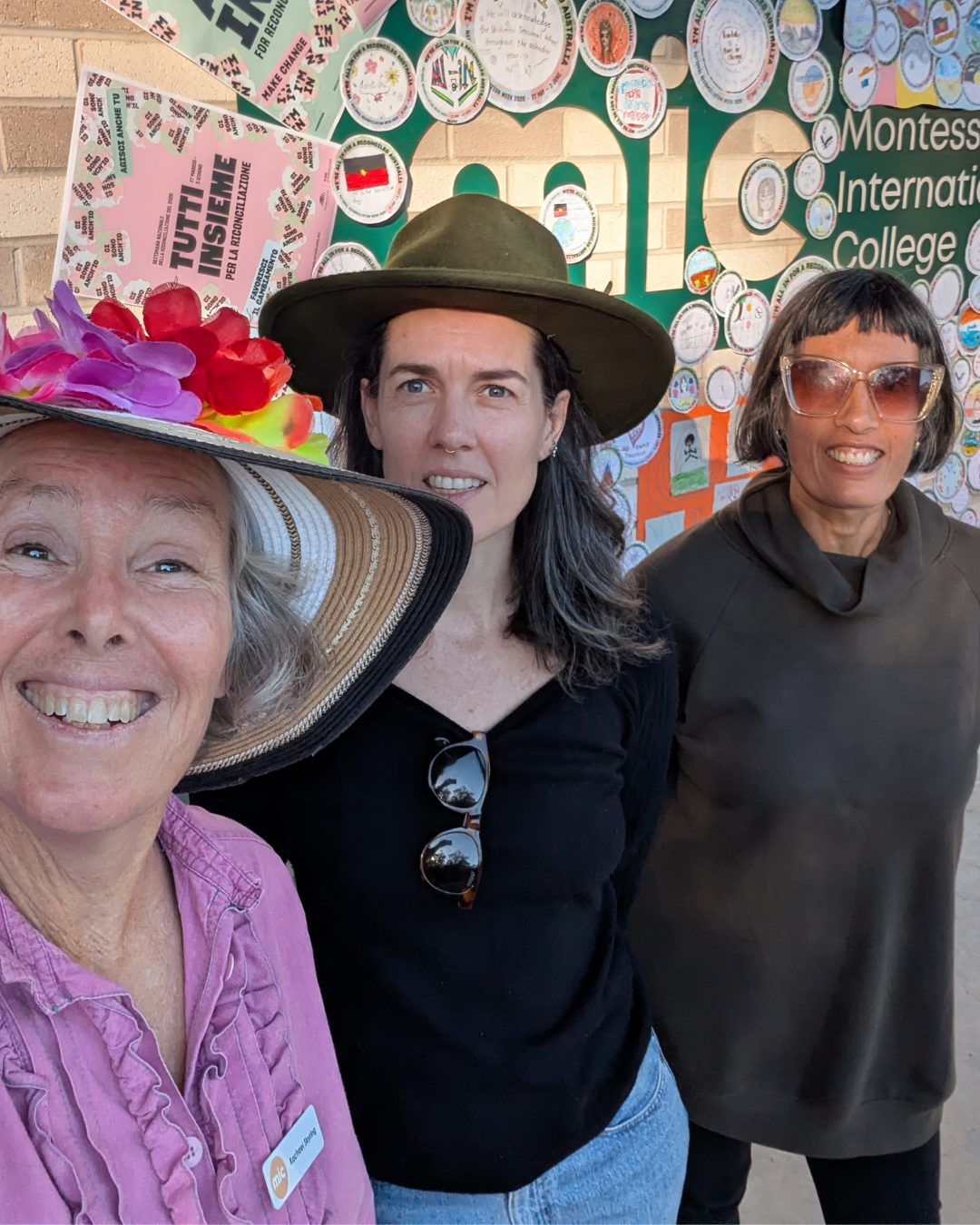
Thank you to our Guides for taking the time in your classes to talk about what reconciliation could look like at MIC and creating the pieces that came together for the National Reconciliation Week installation. And Suriyah and Renee for helping stick it to the wall.
For the RAP working group, our next action is to write a formal RAP vision statement, which will be the first thing people find when they’re looking to see what our college commitments are. We’ll use the statements from classrooms to guide and inform us in that process over the next few weeks.
We are still open to input and new members. If families have a vision or other thoughts you’d like to share about Reconciliation at MIC, please send it to RAPWorkingGroup@mic.qld.edu.au.

As head towards the end of Term 2, we would like to extend our sincere thanks to the MIC Collective for their incredible contribution to our College community. From organising events and supporting celebrations to creating opportunities for families to connect, their dedication, generosity and enthusiasm have played a significant role in making this term so memorable.
We look forward to continuing this partnership in Term 3 and welcoming more opportunities to come together as a community.

 How to apply
 Make an enquiry